Book Appointment Now

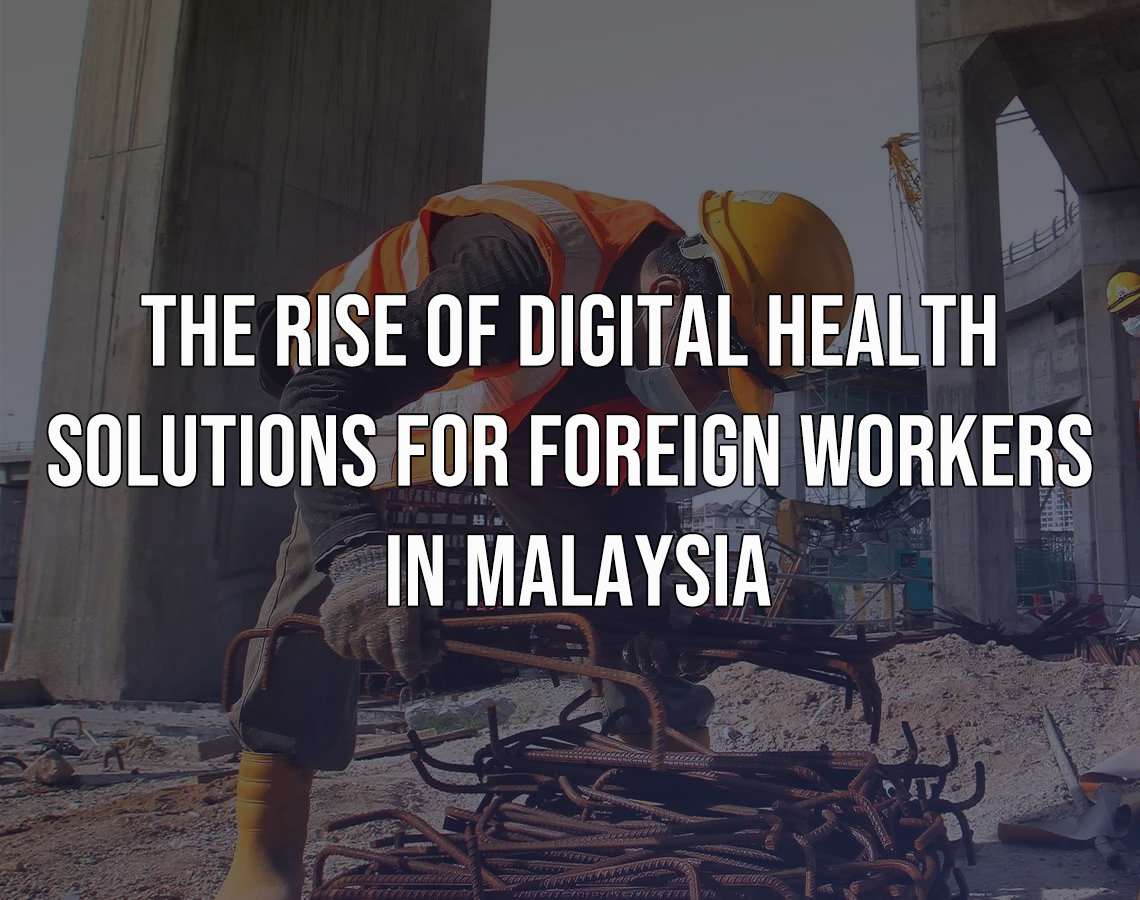
The Rise of Digital Health Solutions for Foreign Workers in Malaysia
Foreign workers are essential to Malaysia’s economic progress, contributing to sectors such as manufacturing, construction, agriculture, and security services. As the country strengthens its workforce governance, digital transformation is reshaping not just recruitment and monitoring—but also health and medical management for migrant workers.
In recent years, health compliance, medical screening, and overall worker well-being have become national priorities. Digital health solutions now play a crucial role in ensuring transparency, safety, and efficiency throughout the entire migrant worker journey.
Digitalising Pre-Employment Medical Screening
Before arriving in Malaysia, foreign workers must undergo mandatory medical examinations. Traditionally, this process involved manual paperwork, scattered records, and slow verification. Today, digital platforms streamline the entire process by enabling:
- Electronic medical records (EMR) for quick access and verification
- Online scheduling and result submission to reduce delays
- Automated validity checks to ensure compliance with Malaysia’s health standards
- Direct data integration with immigration and recruitment systems
These improvements reduce fraud, improve accuracy, and ensure that only medically fit workers proceed to the next stage.
Strengthening Post-Arrival Health Monitoring
Upon arrival, ongoing health monitoring is essential to protect both workers and employers. Digital health solutions now provide:
- Centralized medical databases to track workers’ health histories
- Mobile apps for health updates and reminders on medical check-ups
- Digital vaccination or immunization records
- Real-time alerts for compliance issues or expiring health certificates
This allows authorities, employers, and medical facilities to work together more effectively while prioritizing national health security.
Faster Access to Healthcare Services
Mobile technology and cloud-based systems are also improving migrant workers’ access to healthcare in Malaysia. Workers can now:
- Locate panel clinics easily through mobile apps
- Receive digital prescriptions and follow-up reminders
- Access telemedicine services in certain sectors
- Receive emergency assistance faster through digital reporting tools
These innovations reduce communication barriers and ensure timely healthcare delivery.
Enhancing Occupational Health & Safety (OHS) Through Technology
Digital tools also support safer working environments. Employers now leverage systems that can:
- Track occupational health risks
- Log injuries or incidents digitally
- Generate automated reports for authorities
- Provide training materials on health and safety through mobile platforms
With stronger digital OHS practices, both employers and workers benefit from reduced injuries and better compliance with regulations.
Supporting Mental Health and Well-Being
While physical health is essential, digital platforms are also helping foreign workers access emotional and psychological support. With mobile apps and helplines available in multiple languages, workers can:
- Seek counseling and mental health support
- Access stress-relief or wellness resources
- Report concerns anonymously
- Stay connected with family to reduce social isolation
This holistic approach contributes to a healthier, more productive workforce.
Conclusion
The rise of digital health solutions for migrant workers marks a transformative step in Malaysia’s workforce ecosystem. By integrating medical systems, digital records, and mobile health tools, Malaysia is building a safer, more transparent, and more efficient environment for foreign workers.
For employers, this means better compliance, reduced risks, and improved productivity. For workers, it means greater access to care, protection, and dignity.
As Malaysia continues moving toward a fully digital migrant management ecosystem, health-focused technologies will remain at the heart of this progress.