Book Appointment Now
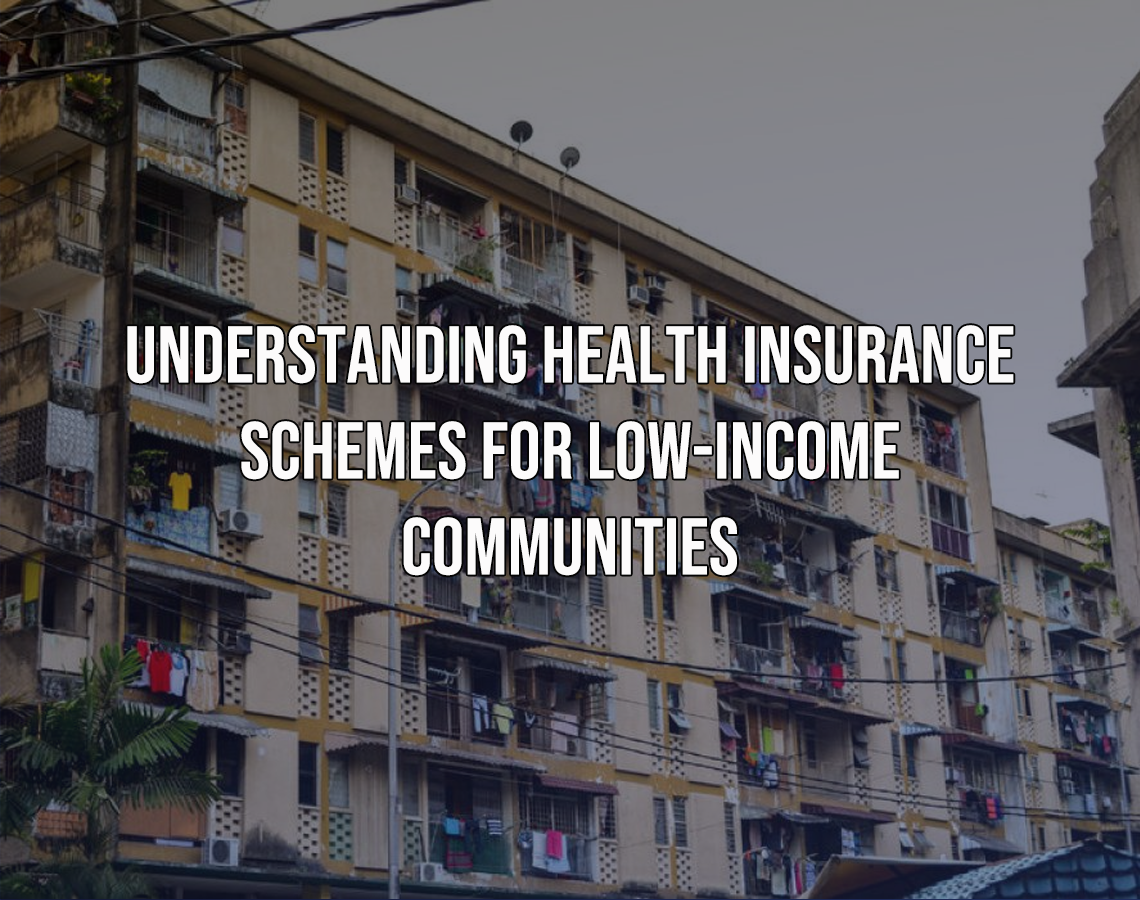
Understanding Health Insurance Schemes for Low-Income Communities
Access to quality healthcare is a fundamental human right, but for many low-income individuals and families, financial barriers prevent them from seeking timely medical care. Health insurance schemes designed for low-income communities aim to bridge this gap, ensuring that everyone has access to essential medical services without the burden of high costs.
What Are Health Insurance Schemes for Low-Income Communities?
These schemes are specially designed insurance programs, often supported by government funding, to provide coverage for individuals who cannot afford standard health insurance. They focus on providing:
- Preventive care such as health screenings and vaccinations
- Primary care and consultations
- Hospitalization and emergency services
- Access to essential medications and treatments
By reducing out-of-pocket expenses, these schemes empower communities to seek care early, preventing minor illnesses from becoming serious conditions.
Key Features of Low-Income Health Insurance Schemes
- Government Support – Many schemes are fully or partially funded by the government to ensure affordability.
- Cashless Claims – Policyholders can access healthcare services without upfront payments, as the system directly settles costs with providers.
- Targeted Beneficiaries – Identification methods, such as certified poverty-level cards, help ensure that support reaches the most vulnerable groups.
- Private Sector Collaboration – Hospitals and clinics partner with the scheme to provide services at agreed rates, sometimes including health camps and outreach programs.
- Technology Integration – Digital platforms are used to manage enrollment, process claims, and monitor utilization efficiently.
Why These Schemes Are Important
- Improved Health Outcomes: Early and accessible care reduces complications and long-term medical costs.
- Financial Protection: Families are not forced to choose between medical care and basic living needs.
- Equitable Access: Everyone, regardless of income, can receive timely and quality healthcare.
- Community Engagement: Many schemes include health awareness campaigns, screenings, and preventive care initiatives.
Examples in Practice
In several countries, government-supported health insurance schemes have successfully increased access to healthcare for low-income populations. For example, some states in India have partnered with private hospitals to cover medical costs for below-poverty-line individuals, providing both treatment and preventive care through health camps and hospital networks.
Conclusion
Health insurance schemes for low-income communities play a crucial role in achieving universal health coverage. By combining government support, private sector collaboration, and technology-driven solutions, these programs ensure that financial constraints no longer prevent people from receiving the care they need.
At Anytime Call Health, we are committed to supporting and implementing inclusive healthcare solutions that provide healthcare access for all, aligning with Malaysia Madani’s vision and the philosophy of “Health for All.”